When Colorado temperatures plunge and your transmission hesitates during your morning commute, you’re experiencing one of winter’s most frustrating automotive challenges. Cold weather places significant stress on your transmission system, often leading to sluggish shifting, delayed engagement, and fluid leaks that can turn into costly repairs if left unaddressed. At Autovisions in Englewood, CO, our technicians specialize in winter-related transmission issues and know how timely transmission service can prevent small problems from becoming major failures.
Understanding how freezing temperatures affect automatic and CVT transmissions allows you to spot early warning signs and take action before damage occurs. With proper maintenance and professional transmission service, you can protect your vehicle’s performance and reliability throughout Colorado’s coldest months.
The Science Behind Cold Transmission Fluid
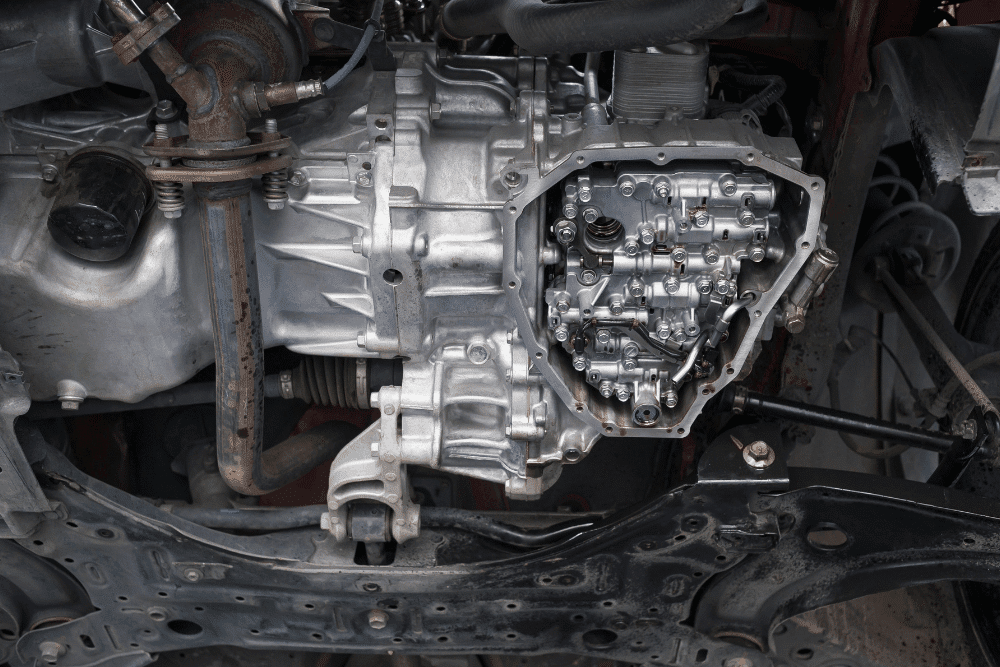
Your transmission fluid serves as the lifeblood of your vehicle’s shifting system, but freezing temperatures dramatically alter its performance. When temperatures drop below 20°F, transmission fluid thickens significantly, losing the free-flowing properties necessary for smooth operation.
What Happens Inside Your Transmission:
- Increased Viscosity: Fluid becomes thick like cold honey, struggling to circulate through channels and valve bodies
- Reduced Hydraulic Pressure: Thickened fluid can’t build the pressure needed for smooth gear engagement
- Delayed Lubrication: Moving parts experience increased friction and wear during cold starts
- Extended Warm-Up Time: Your transmission takes much longer to reach its ideal operating temperature of 175°F to 225°F
Think of it this way: those first few miles of your commute place the most strain on your transmission. Modern systems rely on precise hydraulic pressure to engage gears smoothly, and when fluid becomes too thick, that pressure drops. CVT transmissions face even greater challenges because they depend on continuous fluid flow to maintain the belt-and-pulley system that provides seamless acceleration.
Common Winter Transmission Problems Englewood Drivers Experience
Delayed Engagement
You start your car, shift into gear, and experience a 2-3 second pause before feeling the transmission engage. This delay occurs because cold, thick fluid takes longer to build the hydraulic pressure needed to activate clutch packs. While a brief delay might seem harmless, consistent hard engagement can damage internal seals and friction materials over time.
Hard or Rough Shifting
Your transmission might shift abruptly between gears or hesitate before engaging the next gear, creating an uncomfortable driving experience. These symptoms indicate the transmission control module is compensating for reduced fluid flow by adjusting shift timing and pressure.
Transmission Fluid Leaks
Cold temperatures cause metal components to contract, potentially creating gaps in seals and gaskets. Look for:
- Red or brown fluid spots in your driveway after overnight parking
- Burnt smell during driving
- Low fluid levels on the dipstick
Transmission seals become brittle in extreme cold, especially in older vehicles, making them prone to cracking and leaking. Even small leaks deserve immediate attention because low fluid levels accelerate wear.
Slipping or Surging
You might feel the engine rev without corresponding acceleration, or notice the RPMs fluctuate unexpectedly. These symptoms suggest the transmission isn’t maintaining proper pressure or gear engagement, often due to fluid-related issues that worsen in winter conditions.
The Real Cost of Ignoring Winter Transmission Symptoms
Here’s what many Colorado drivers don’t realize: those annoying morning shift delays are your transmission’s way of telling you something is wrong. When you ignore these early warnings, small problems escalate quickly.
The Domino Effect of Neglect:
- Week One: Sluggish shifting seems like a minor annoyance you can live with
- Month One: Hard engagement begins wearing down internal clutch materials
- Month Three: Damaged seals start leaking fluid, reducing lubrication further
- Month Six: Complete transmission failure requires replacement instead of simple service
The difference between a routine fluid service and a complete transmission replacement can be thousands of dollars and often comes down to timing. Contact us for accurate pricing on your specific vehicle and service needs. That’s why our mechanics recommend transmission fluid inspection every 5,000 miles or six months, whichever comes first. This schedule helps us catch potential problems early, especially for drivers in Englewood, Littleton, and Lakewood who face Colorado’s extreme temperature swings.
Looking for expert transmission repair in Englewood, CO? Visit Autovisions at 3701 S Santa Fe Dr Unit 5, Englewood, CO 80110 or call 303-761-5100 to schedule your winter transmission inspection today.
CVT vs. Automatic: How Different Transmissions Handle Colorado Winters
Not all transmissions respond the same way to freezing temperatures. Understanding your vehicle’s specific transmission type helps you recognize what’s normal versus what requires professional attention.
| Feature | Traditional Automatic | CVT (Continuously Variable) |
|---|---|---|
| How It Works | Uses planetary gear sets and hydraulic clutch packs to change gears | Uses a belt running between two pulleys instead of fixed gears |
| Cold Weather Tolerance | Generally tolerates cold weather better | More dramatically affected by cold temperatures |
| Warm-Up Performance | Experiences sluggish performance until reaching operating temperature | Requires longer warm-up and more careful driving |
| Fluid Requirements | Standard transmission fluid specifications | Requires very specific fluid properties to prevent belt slippage |
| Forgiveness Factor | More forgiving of brief warm-up delays | Less tolerant of cold starts and aggressive driving |
| Common in Colorado | Found in most domestic and older vehicles | Common in Honda and Subaru models popular throughout the state |
CVT fluid must maintain precise characteristics that traditional automatic fluid doesn’t require. This makes proper winter maintenance especially critical for CVT-equipped vehicles. Many drivers don’t realize their Honda Civic or Subaru Outback needs different care than older automatic transmissions.
Protecting Your Transmission During Englewood's Harsh Winters
Allow Proper Warm-Up Time:
Give your transmission 30-60 seconds to circulate fluid before driving. Avoid aggressive acceleration until your temperature gauge shows the engine approaching normal operating temperature. This gentle warm-up period allows fluid to thin and reach all critical components.
Follow Smart Driving Habits:
- Avoid jackrabbit starts during the first few miles
- Shift gently between park, reverse, and drive
- Wait for complete stops before changing directions
- Monitor your temperature gauge during cold snaps
Address Symptoms Immediately:
Those morning shifting delays signal your transmission is working harder than it should. Schedule an inspection when you notice:
- Engagement delays lasting more than two seconds
- Persistent rough shifting after warm-up
- Any visible fluid leaks or burning smells
- Dashboard warning lights related to transmission
Use Quality Fluids and Maintain Service Intervals:
Most manufacturers recommend transmission service every 30,000-60,000 miles, but Colorado’s conditions often require more frequent attention. Fresh fluid with proper additives flows better in cold weather and provides superior protection against wear.
Why Autovisions Is Your Trusted Partner for Winter Transmission Services
Autovisions provides quality auto repair at responsible prices, combining modern diagnostic equipment with old-fashioned customer service. Our approach centers on relationships, not transactions. We take time to understand your vehicle’s history and explain exactly what’s happening inside your transmission, without high-pressure sales tactics.
What Sets Us Apart:
- ASE-Certified Blue Seal Shop: Our staff has mechanics with Master Tech and light-duty diesel certifications
- Advanced Equipment: Hunter HawkEye Elite alignment machine and modern diagnostic capabilities
- Quality Parts and Fluids: We use manufacturer-specified fluids for all makes and models, including specialized CVT fluids for Honda, Subaru, and other vehicles that require them.
- Comprehensive Warranty: 3-year/36,000-mile coverage demonstrates our confidence in parts and service
- Convenient Amenities: Loaner cars, Wi-Fi, coffee bar, and credit card payments over the phone
We’re RepairPal certified and service all makes and models, including the Honda, Toyota, Subaru, Jeep, and German vehicles common throughout Englewood, Littleton, Lakewood, Lone Tree, and Highlands Ranch. Most of our customers come from within two miles of our shop because they value consistent, relationship-based service.
We understand that cars don’t have problems, people have problems. When your transmission acts up during your morning commute, you’re worried about reliability, safety, and unexpected costs. Our mechanics explain transmission issues in clear terms, helping you make informed decisions about maintenance and repairs.
Your Winter Transmission Questions Answered by Englewood Mechanics
Why does my transmission hesitate when cold?
Your transmission hesitates when cold because transmission fluid thickens in freezing temperatures, reducing hydraulic pressure needed for smooth gear engagement. As the fluid warms up and returns to proper viscosity, shifting should improve significantly.
Is it normal for transmission to slip in cold weather?
Brief slipping during the first few minutes of cold-weather driving can be normal as fluid circulates and warms, but persistent slipping indicates potential problems. If slipping continues after warm-up or worsens over time, have your transmission inspected by a qualified mechanic.
Can cold weather damage my transmission?
Yes, cold weather can damage your transmission if you ignore warning signs or skip recommended maintenance. Thick fluid increases wear on internal components, and repeated hard engagement damages seals and clutch materials, potentially leading to costly repairs.
How often should I change transmission fluid in Colorado?
Most manufacturers recommend transmission service every 30,000-60,000 miles, but Colorado’s extreme temperatures and mountain driving may require more frequent service. Have your transmission fluid inspected every 5,000 miles or six months to ensure optimal protection.
What temperature is too cold for a transmission?
Transmissions can operate in any temperature, but performance suffers significantly below 20°F when fluid becomes too thick. Transmission fluid performs best between 175°F and 225°F, so allowing proper warm-up time protects your transmission during extreme cold.
Schedule Your Transmission Service in Englewood, CO Today
Don’t let winter transmission issues compromise your family’s safety or lead to expensive repairs. Schedule your transmission inspection or service today with Autovisions, where we make sure people have safe and reliable transportation.
Visit us at 3701 S Santa Fe Dr Unit 5, Englewood, CO 80110 or call 303-761-5100 to book your appointment. We serve drivers throughout Englewood, Littleton, Lakewood, Lone Tree, and Highlands Ranch with the honest, quality service you deserve.